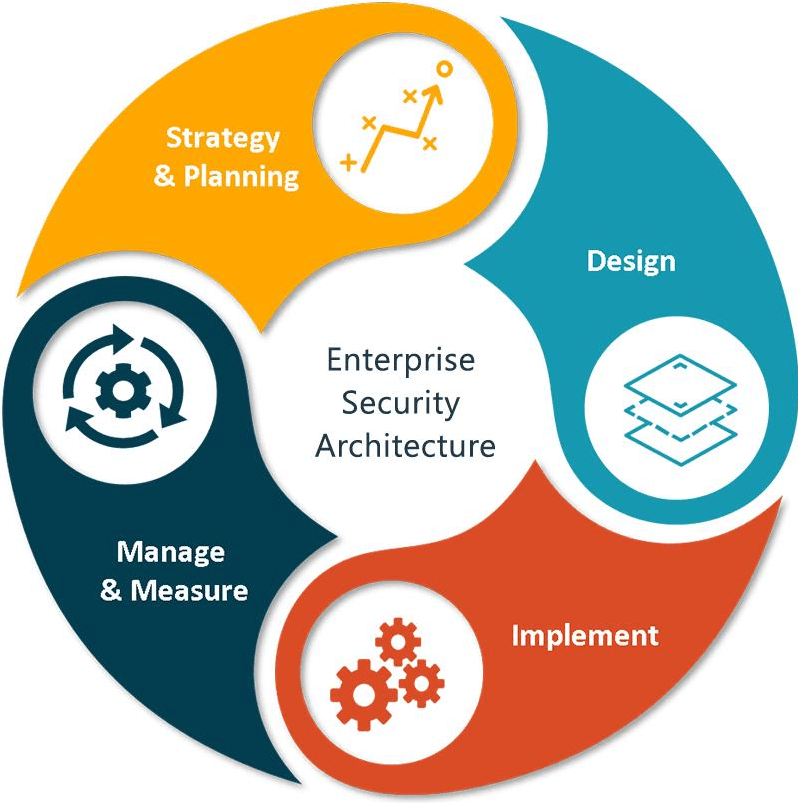
When most people hear the term cybersecurity, they immediately think about firewalls, antivirus software, or intrusion prevention systems. While these technologies are important, security architecture is much broader than individual security products.
As part of Cisco U’s “Designing Cisco Security Infrastructure (SDSI)” learning path, I recently completed the Security Architecture Design Fundamentals module. The course covered the foundations of modern security architecture and helped me better understand how security controls, policies, and design principles work together to protect enterprise environments
In this article, I would like to share some of the key concepts that stood out to me and how they relate to real-world enterprise networks.
Security Should Be Designed, Not Added Later
One of the most important lessons from this module is that security should be integrated into the design phase rather than added after deployment.
In many organizations, security is often treated as an additional requirement after applications and networks have already been implemented. This approach usually increases complexity and cost.
A well-designed architecture considers security requirements from the beginning, reducing operational risks and improving long-term maintainability.
Defense in Depth
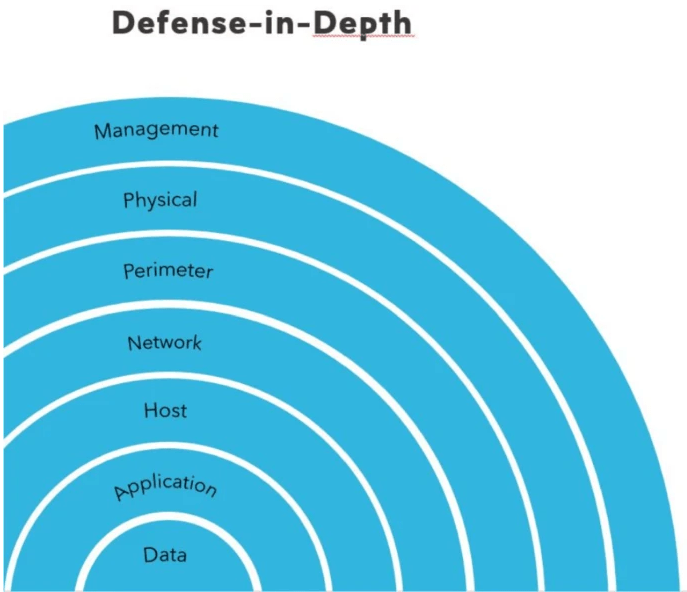
Another important concept is Defense in Depth.
Modern cyber threats are constantly evolving, and no single security control can stop every attack. Organizations therefore rely on multiple layers of protection.
Typical layers include:
- Network Security
- Identity and Access Management
- Endpoint Protection
- Monitoring and Logging
- Incident Response
If one layer fails, additional layers continue to provide protection.
Zero Trust and Least Privilege
The course also introduced two concepts that are becoming increasingly important:
Least Privilege
Users and systems should receive only the permissions required to perform their tasks.
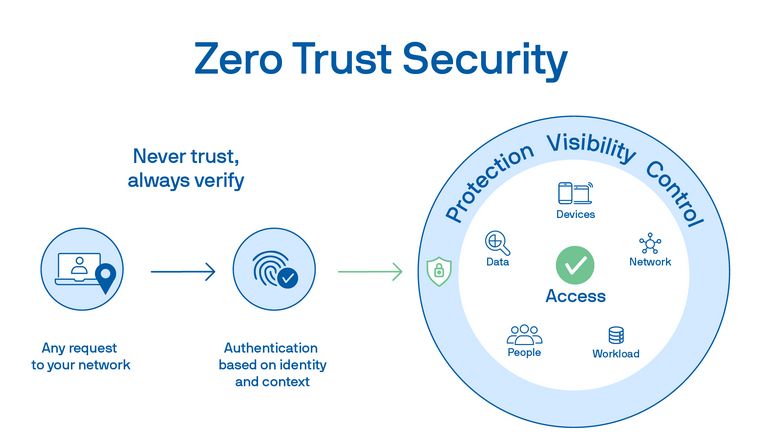
Zero Trust
Trust should never be assumed based on network location alone.
Every access request should be verified and continuously evaluated.
Interestingly, while studying these concepts, I realized that many organizations already implement parts of Zero Trust without explicitly calling it Zero Trust.
For example:
- 802.1X authentication
- Cisco ISE policy enforcement
- MFA for remote access
- Network segmentation
- Role-based access control
These technologies are practical examples of Zero Trust principles.
Compliance Does Not Equal Security
One topic that I found particularly interesting was the relationship between compliance and security.
Frameworks such as:
- ISO 27001
- PCI-DSS
- GDPR
provide valuable guidance and help organizations establish security processes.
However, passing an audit does not automatically mean an organization is secure.
Compliance provides a baseline, but effective security requires continuous risk assessment, monitoring, and improvement.
Visibility Is Essential
A recurring theme throughout the module was visibility.
Organizations cannot protect assets they cannot see.
Modern security architectures rely heavily on:
- Centralized logging
- Security monitoring
- Real-time alerts
- Behavioral analysis
Without visibility, detecting threats becomes extremely difficult.
Security architecture is not about deploying more security tools. It is about designing systems, processes, and controls that work together to reduce risk while supporting business objectives.
As enterprise networks continue to grow in complexity, understanding security architecture becomes increasingly important for network engineers, security engineers, and architects.
This module provided a solid foundation, and I am looking forward to exploring infrastructure protection, identity management, and Zero Trust architectures in the next stage of my learning journey.

Leave a Reply